

Most students know they should practise for the PSLE oral exam. Few know how to practise in a way that actually moves the needle.
Doing English oral practice the right way means working on the skills examiners mark directly: clear pronunciation, natural expressiveness in Reading Aloud, and the ability to develop relevant, well-supported opinions in the Stimulus-Based Conversation. This guide gives you a structured approach to each.
Why English Oral Practice Needs a Clear Structure
Unstructured practice tends to reinforce existing habits rather than improve them. If a student already rushes when nervous, reading passages aloud at home without any feedback will not fix the rushing.
Effective English oral practice targets specific weaknesses, builds habits systematically, and includes enough repetition that the skills become automatic under exam pressure.
Here is what structured practice looks like for each of the two PSLE oral components.
How to Practise Reading Aloud for PSLE Oral
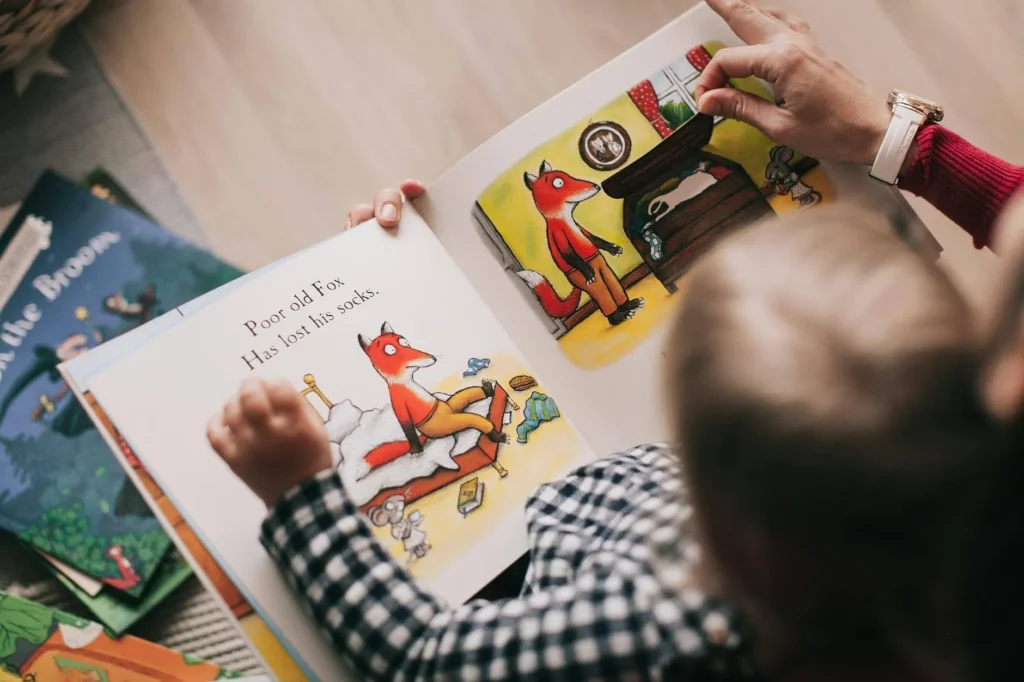
The Reading Aloud component is worth 10 marks. Most of those marks come from two things: pronunciation and expressiveness. Both improve with specific, deliberate practice.
Step 1: Choose the Right Practice Texts
Use texts that have a mix of familiar and unfamiliar vocabulary, include longer sentences that require natural phrasing, and cover a range of emotional tones (descriptive, dramatic, informational). Past year PSLE oral passages, newspaper excerpts, and storybooks for upper primary are all appropriate.
Step 2: Mark Up the Passage Before Reading
Before reading aloud, spend two minutes with the text. Circle any words you are unsure how to pronounce. Draw a small slash where you would naturally pause. Underline words that carry the main meaning and need emphasis. This is exactly what the 10-minute preparation period in the actual PSLE oral exam is for. Practising this habit at home means students use that time productively on the day.
Step 3: Record and Replay
The most effective reading aloud practice involves recording the session. Play it back and listen for: words that were rushed or swallowed, sections where pacing sped up unnaturally, sentences read in a flat monotone, and missed pauses at punctuation marks. Self-evaluation is one of the fastest ways to improve. Students who record and review their own reading make faster progress than those who only read to a listener.
How to Practise for the Stimulus-Based Conversation

The Stimulus-Based Conversation carries 25 marks and is the component where targeted English oral practice makes the biggest difference. The examiner asks questions about an image and then about broader related topics. Students need to respond clearly, develop their ideas, and sustain the conversation with confidence.
Build the Habit of Forming Opinions
The Stimulus-Based Conversation requires students to respond to questions they have not seen before. The best preparation is not memorising answers. It is building the habit of forming opinions quickly. Pick any image, object, or headline. Ask: What do I think about this, and why? Give yourself 30 seconds to form a position and one supporting reason. Say it out loud. Do this daily and it becomes a reflex.
Use the Position-Reason-Example Structure
For every oral answer, train students to follow this three-part structure: Position (state your opinion clearly), Reason (give one reason why), Example (support with a specific example or experience). This structure is simple enough to use under pressure and comprehensive enough to score well. Students who consistently answer in this format rarely lose marks for insufficient development.
Practise With Follow-Up Questions
Examiners will sometimes ask follow-up questions, typically ‘Can you tell me more?’ or ‘Why do you think that?’ Practise this by having a practice partner challenge every answer with at least one follow-up. The goal is to extend an answer without repeating the same point. This is a specific skill that requires specific practice.
How to Improve English Oral Fluency

Fluency is not the same as speed. A fluent speaker is one who speaks at a comfortable pace, rarely loses their train of thought, and does not need long pauses to search for words. Here is how to build that:
Expand vocabulary gradually. Students who have a larger vocabulary are naturally more fluent because they spend less time searching for the right word. Reading regularly in any genre is the single most effective long-term strategy.
Shadow a speaker you admire. Pick a podcast or news segment and listen to a short clip. Then replay it and speak along, matching the rhythm, pacing, and intonation. This technique is widely used in language acquisition and works well for PSLE oral preparation.
Reduce filler words. ‘Uh’, ‘like’, ‘you know’, and ‘um’ are the most common fluency killers. Practising pausing silently instead of filling silence with sounds trains students to think before they speak, which sounds more confident and reads better to examiners.
Oral Exam Tips for the Day Itself
These PSLE oral tips apply on the day of the exam:
Use the preparation time fully. Ten minutes is enough to read through the passage twice, identify the tone and meaning, and mark where to pause. Students who rush through this time and then wait passively are wasting a significant advantage.
Greet the examiners naturally. Walking in confidently, making brief eye contact, and greeting the examiners sets a positive tone. Over-stiffness works against you.
Speak to the examiners, not the visual stimulus. Many students fix their gaze on the image for the entire conversation. Look at the image to reference it, then look up and speak directly to the examiner.
If you do not understand a question, ask for clarification. ‘Could you please repeat the question?’ is far better than guessing incorrectly or going silent.
Conclusion About English Oral Practice
Consistent, structured English oral practice is the difference between hoping for a good performance and expecting one. The skills tested in the PSLE oral exam are learnable, and they respond well to the right kind of practice over a reasonable preparation period.
If your child would benefit from guided oral practice with specific feedback on fluency, expression, and opinion development, DO Applied Learning by Epoch Talent Academy is worth looking into. We are listed among Singapore’s top English classes for kids, led by Teacher Daniel, a former award-winning MOE officer and English language specialist based in Marine Parade.
The centre offers customised upper primary English programmes that include structured oral coaching alongside the written components of PSLE English. Students can also use Writing Genius Primary 5-6 at home to build the vocabulary and language range that directly supports a stronger oral performance in exam conditions.
Get in touch today to find out more about the programmes available and how they can help your child prepare.
Frequently Asked About English Oral Practice
How Do I Practise for the PSLE Oral Exam at Home?
Practise reading aloud from any text daily, focusing on pace and expression. For the Stimulus-Based Conversation, pick a topic, form an opinion, state a reason, and give an example. Recording practice sessions and reviewing them is one of the most effective ways to identify what to improve.
What Are the Best PSLE Oral Tips for the Day of the Exam?
Use the 10-minute preparation time to read the passage carefully, mark pauses, and identify the tone. Greet examiners calmly, speak directly to them during the conversation, and use the Position-Reason-Example structure for every answer. If you stumble, keep going rather than stopping.
How Can I Improve My English Oral Fluency?
Build vocabulary through regular reading, practise speaking at a measured pace, and use the shadowing technique with speakers you find clear and engaging. Reducing filler words by pausing silently instead also makes a measurable difference.
How Long Before the PSLE Oral Exam Should I Start Practising?
Ideally, oral practice should begin at least two to three months before the exam. This gives enough time to build habits gradually. Daily 10 to 15 minute sessions are more effective than long, infrequent practice sessions.