The Stimulus-Based Conversation is the highest-weighted part of the PSLE oral exam, carrying 25 of the 35 oral marks. What makes students most anxious about this component is not knowing what the PSLE oral topics will cover.
While the exact image and questions are not published in advance, MOE draws consistently from a predictable set of themes. This guide lists the most common PSLE oral topics, how they typically appear in conversation, and practice questions your child can use to prepare.
How PSLE Oral Topics Work in the Exam
In the PSLE oral exam, the Stimulus-Based Conversation begins with questions about a visual stimulus (usually a photograph), then expands into broader discussion on a related theme. The examiner leads; students respond, develop their answers, and may be asked follow-up questions.
The topic is determined by the image. The skill is being ready to discuss a wide range of themes spontaneously. Students who have practised common PSLE oral topics in advance are far better prepared because their brain is already familiar with forming opinions and explaining reasoning on those subjects.
Common PSLE Oral Topics by Theme

Based on past oral exam patterns, the following themes appear most frequently. Students should prepare across all of them rather than guessing which one will come up.
Technology and Screen Time
One of the most frequently appearing themes in PSLE English oral over recent years. Images typically show students using devices, gaming, or spending time online.
Common english oral questions for this theme include:
- Do you think children spend too much time on their devices?
- What rules do you have at home about screen time?
- How has technology changed the way you learn?
- What are the advantages and disadvantages of social media?
Family and Community
Images often show family activities, community events, or neighbourly interactions.
Common questions include:
- What does your family do together on weekends?
- Why is it important to help your neighbours?
- How can young people contribute to their community?
- Describe a time when you helped someone you did not know well.
Environment and Nature
Environmental themes appear regularly. Images may show pollution, recycling drives, green spaces, or outdoor activities.
Common questions include:
- What can individuals do to help protect the environment?
- Do you think Singapore is doing enough to reduce waste?
- Have you ever taken part in a recycling or environmental activity?
- Why is it important to spend time in nature?
Health and Fitness
Images may depict sports activities, healthy eating, school fitness programmes, or sedentary behaviour.
Common questions include:
- What do you do to keep yourself healthy?
- Do you think children in Singapore get enough exercise?
- Why do many students prefer screen activities over outdoor play?
- How important is sleep for students your age?
Education and School Life
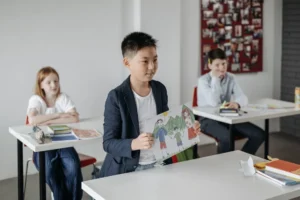
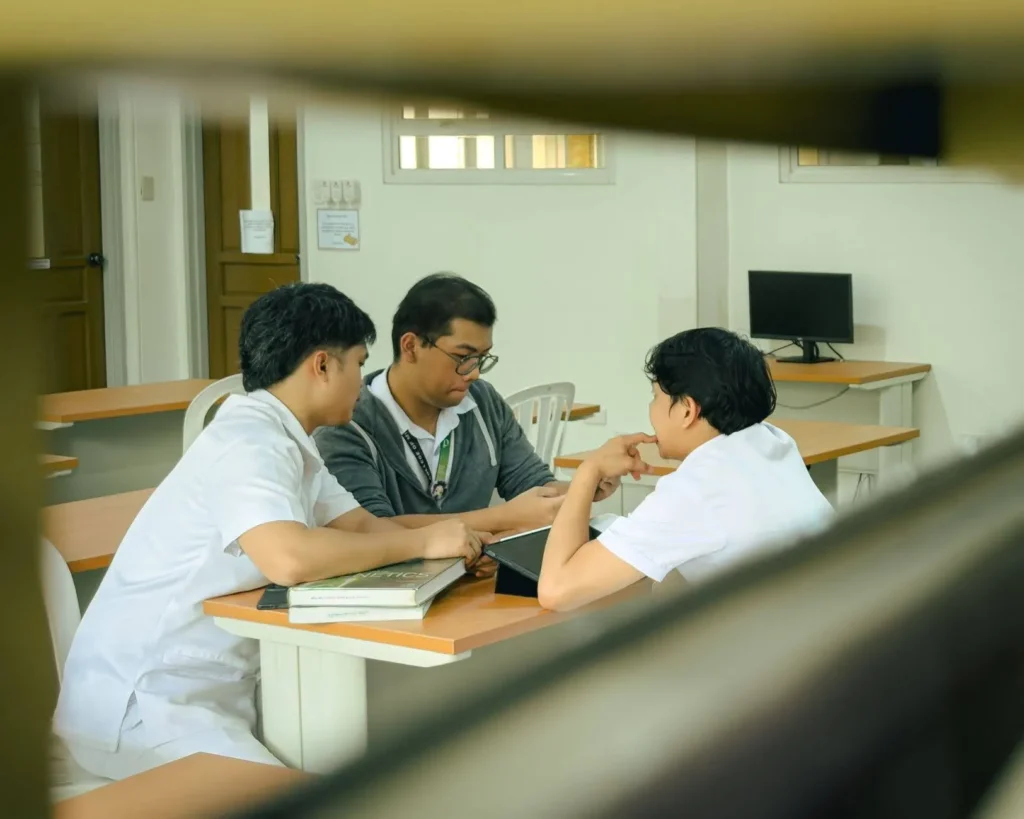
School-related themes come up often. Images may show classrooms, group projects, libraries, or enrichment activities.
Common questions include:
- What do you enjoy most about school?
- Do you think homework is useful?
- How do you feel about learning in a group compared to studying alone?
- What skills do you think are most important for the future?
Values and Character
These english oral topics explore personal beliefs, empathy, and social responsibility.
Common questions include:
- Have you ever seen someone being left out?
- What did you do?
- What does honesty mean to you?
- Who do you admire most, and why?
- How can schools help students become kinder and more considerate?
How to Use These Practice Questions Effectively

Knowing the english oral questions in advance is only useful if students actually practise answering them. Here is how to make the most of this list:
Pick one topic per session. Choose a theme and take turns asking and answering the questions. Aim for answers that are two to three sentences long: a position, a reason, and an example.
Practise adding ‘why’ to every answer. Examiners often follow up with ‘Why do you think that?’ or ‘Can you tell me more?’ Students who habitually add a reason to every answer are far better prepared for this.
Vary the practice partner. Practising with a parent is useful. Practising with a teacher or tutor who can give feedback on language accuracy, vocabulary range, and confidence is more useful.
Keep a topic log. After each session, note which topics felt natural and which felt difficult. Spend more preparation time on the difficult ones in the weeks leading up to the exam.
PSLE Oral Topics: What to Expect
MOE does not publish a fixed PSLE oral topics list. However, analysis of past oral exam themes shows that technology, community, environment, health, and values have appeared consistently across multiple years. These themes align with MOE’s Character and Citizenship Education syllabus, which gives a useful indication of what to expect.
Students who prepare across all five core themes are unlikely to be caught off guard by any visual stimulus they encounter in the exam room. The goal is not to predict the exact image but to build the habit of forming clear, well-supported opinions on a broad range of topics.
For students who also want to strengthen their delivery, covering English oral practice techniques for Reading Aloud alongside the conversation component produces the most balanced preparation.
Conclusion About PSLE Oral Topics and Practice Questions
Preparing for the PSLE oral exam does not mean memorising answers. It means practising the skill of thinking quickly, speaking clearly, and developing ideas confidently across a range of topics. Students who do best in the Stimulus-Based Conversation are the ones who have practised enough that responding to a new question feels natural, not forced.
If your child needs guided practice on PSLE oral topics and structured feedback on their spoken English, DO Applied Learning by Epoch Talent Academy is worth looking into. We are listed among Singapore’s top English classes for kids, led by Teacher Daniel, a former award-winning MOE officer and English language specialist based in Marine Parade.
The centre’s upper primary English programmes include targeted oral preparation with feedback on vocabulary, expression, and opinion development. Students can also supplement their practice at home with Writing Genius Primary 5-6, a focused resource that builds the vocabulary and language awareness that directly supports stronger performance in both the oral and written components.
Contact us today to find out how the centre can help your child walk into the PSLE oral exam prepared on every topic.
Frequently Asked Questions About PSLE Oral TopicsPSLE Oral Topics
What Are the Common PSLE Oral Topics in 2026?
Common PSLE oral topics include technology and screen time, family and community, the environment, health and fitness, school life, and values and character. MOE does not publish a fixed topic list, but these themes appear consistently based on past oral exam patterns.
How Long Should PSLE Oral Exam Answers Be?
There is no set word count for oral answers. Strong responses typically take 30 to 60 seconds: a clear position, a reason, and at least one supporting example. Answers that are too short suggest limited ideas; answers that ramble without a clear point cost marks on organisation.
What Questions Are Asked in the PSLE Stimulus-Based Conversation?
The examiner begins with questions about the visual stimulus, then asks broader questions on related themes. Typical question types include opinions (‘Do you think…’), personal experiences (‘Have you ever…’), and explanations (‘Why do you think…’).
How Can My Child Practise for PSLE Oral Conversation at Home?
Have your child pick one topic from the common themes above and practise giving structured answers: state a position, give a reason, and add an example. Do this for 10 to 15 minutes daily. Recording the session and listening back can help identify areas for improvement.