
The PSLE oral exam is one of the most predictable parts of PSLE English, and that is exactly why preparation matters. The PSLE oral 2025 format has two components, each assessed by two examiners, and together they account for 20 per cent of your child’s total English score.
Yet most students walk into oral season without a clear picture of what the examiner is actually marking, how the marks are split, or what a top-band response looks and sounds like. This guide covers all of it.
What Is the PSLE Oral Exam?
The PSLE oral exam is Paper 4 of the PSLE English Language assessment. It tests spoken English through two components: Reading Aloud and Stimulus-Based Conversation. Students are assessed individually by two examiners, and the full session lasts approximately 10 minutes.
The exam is held in the second half of the school year, typically in August. It is a separate sitting from the written papers and is conducted at the student’s own school. Students receive the Reading Aloud passage approximately 10 minutes before their session and may read it silently during that time.
PSLE Oral Format: The Two Components
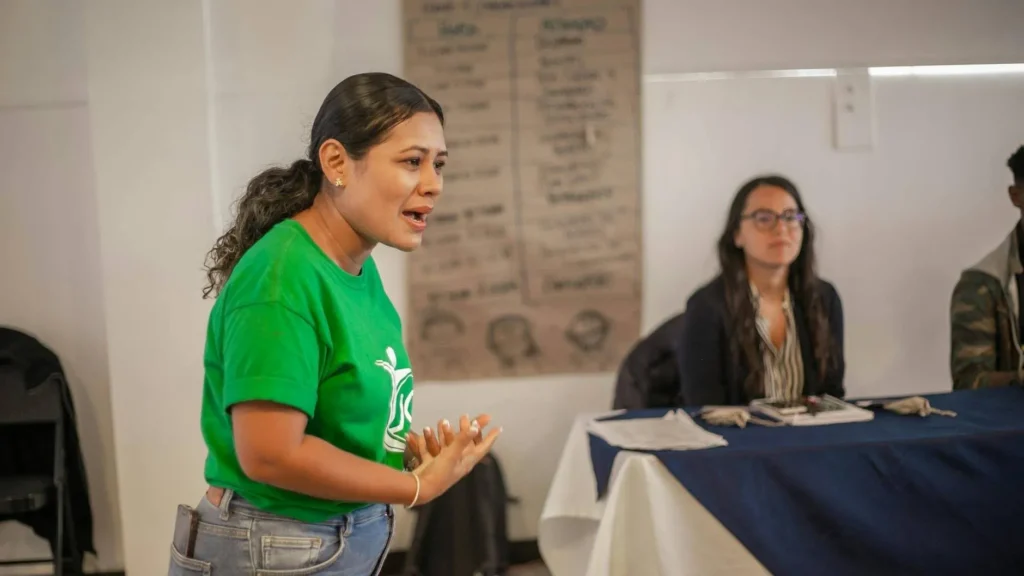
Understanding the PSLE oral format is the first step in targeted preparation. The exam is divided into two distinct parts, with different skills being assessed in each.
Component 1: Reading Aloud
In the Reading Aloud component, students are given an unseen passage and approximately 10 minutes to read through it before they are called in. They then read the passage aloud to the two examiners. Examiners assess students on pronunciation (clarity of individual sounds, correct word stress) and expressiveness (intonation, pacing, and evidence that the student understands what they are reading). A common mistake is rushing. Reading quickly does not sound fluent. Reading with natural rhythm and appropriate pauses does.
Component 2: Stimulus-Based Conversation
Following the Reading Aloud component, the examiners initiate a Stimulus-Based Conversation. The student is shown a visual stimulus, typically a photograph depicting a real-world scene, and the conversation begins with questions about it.
The conversation typically moves from specific questions about the image to broader related themes and lasts approximately six minutes. Examiners assess the student’s ability to express and support opinions clearly, respond relevantly to questions, use accurate and varied vocabulary, and sustain the conversation with confidence.
PSLE Oral Weightage: How Marks Are Distributed

The PSLEoral weightage often surprises parents. The full 40-mark allocation breaks down as follows:
Reading Aloud: 15 marks
Stimulus-Based Conversation: 25 marks
Total: 40 marks, representing 20 per cent of the overall PSLE English score.
Students who spend all their preparation time on reading passages and none on practising spoken opinion-sharing are leaving marks behind due to the marks allocation.
PSLE Oral Marking Scheme: What Examiners Look For
The PSLEoral marking scheme is band-based rather than point-by-point. Examiners form an overall impression within each band rather than counting individual errors.
Reading Aloud Marking Bands
A high bandresponse is characterised by clear pronunciation, natural pacing, varied intonation that reflects the meaning of the text, and expressiveness that shows the student genuinely understands what they are reading.
Stimulus-Based Conversation Marking Bands
The Stimulus-Based Conversation is also assessed on a band scale. The highest bands are awarded to students who respond relevantly, develop their answers with supporting examples or reasoning, use accurate and varied vocabulary, and maintain a confident, natural flow throughout the conversation.
Students at the lower bands tend to give short answers, stay literal (only describing the image without developing ideas), or struggle when the topic moves beyond the image.
PSLE Oral Components: What Happens on the Day
Parents and students often feel anxious simply because they do not know what to expect. Here is a clear picture of what happens:
- Waiting period: Students wait outside the room and receive the Reading Aloud passage. They have approximately 10 minutes to read it silently. This preparation time should be used to understand the text, identify tone, and plan pauses.
- Reading Aloud: Students enter, greet the examiners, and read the passage aloud. This takes about two to three minutes.
- Stimulus-Based Conversation: The examiners show the student the visual stimulus and begin the conversation. This lasts approximately six minutes.
- End of session: Students leave and examiners mark their responses. Results are released with the PSLE results.
Knowing what comes next removes a major source of anxiety. Students who have done mock oral sessions multiple times find the real exam significantly less intimidating.
How to Prepare for the PSLE Oral Exam
Preparation for the PSLEoral exam does not require expensive resources. It requires consistent, targeted practice.
- Read aloud every day. Any text will do: news articles, storybooks, or even text messages. The goal is to build the habit of speaking at a controlled pace with awareness of expression.
- Practise forming opinions. Take any topic, think of a position, and explain it out loud with one supporting reason. Do this regularly so the brain is comfortable generating and articulating ideas under mild time pressure.
- Do timed mock oral sessions. Practising at home is useful, but practising under exam conditions with a timer is more useful. This includes using the 10-minute reading preparation period as it will be used in the actual exam.
For students who want a comprehensive preparation plan that also covers the PSLEoral topics likely to appear in the conversation component, reviewing common themes and practising structured answers is equally important.
Conclusion About the PSLE Oral Exam
The PSLE oral exam is one of the most trainable parts of PSLE English. The format is fixed, the marking criteria are published, and consistent practice produces measurable improvement. Students who treat oral preparation as seriously as they treat comprehension or composition tend to do better across the board.
If your child needs structured coaching on both Reading Aloud and Stimulus-Based Conversation, DO Applied Learning by Epoch Talent Academy is worth looking into. We are listed among Singapore’s top English classes for kids, led by Teacher Daniel, a former award-winning MOE officer and English language specialist based in Marine Parade.
The centre offers customised upper primary English programmes that include structured oral practice as part of a broader approach to PSLE English. Students can also supplement their preparation at home with Writing Genius Primary 5-6, a focused writing resource designed to help P5 and P6 students build the structure, vocabulary, and sentence craft needed to score well in Paper 1.
Contact us today to find out how the centre’s programmes can help your child approach the PSLE oral exam with confidence and a clear plan.
Frequently Asked About PSLE Oral Exams
What Is the PSLE Oral Exam Format?
The PSLE oral exam has two components: Reading Aloud and Stimulus-Based Conversation. Students read an unseen passage aloud and then have a conversation with examiners based on a visual stimulus. The full session lasts approximately 10 minutes and is held in August.
How Much Is the PSLE Oral Exam Worth?
The PSLE oral exam is worth 40 marks in total, representing 20 per cent of the overall PSLE English score. Reading Aloud carries 15 marks and Stimulus-Based Conversation carries 25 marks.
What Is the PSLE Oral Marking Scheme?
The PSLE oral marking scheme uses a band system. Examiners assess Reading Aloud on pronunciation and expressiveness, and Stimulus-Based Conversation on relevance, opinion development, vocabulary, and language accuracy. The highest bands are awarded for confident, natural, well-developed responses.
When Is the PSLE Oral Exam 2026?
The PSLE oral exam in 2026 is held in August. The exact date is communicated to students by their schools. Students are assessed individually at their own school.
How Can I Help My Child Prepare for the PSLE Oral Exam?
Encourage daily reading aloud at home, regular practice expressing opinions on familiar topics, and timed mock oral sessions to simulate exam conditions. Structured guidance from a qualified tutor who covers both oral components in dedicated lessons can also make a significant difference.